Article
2 February 2021
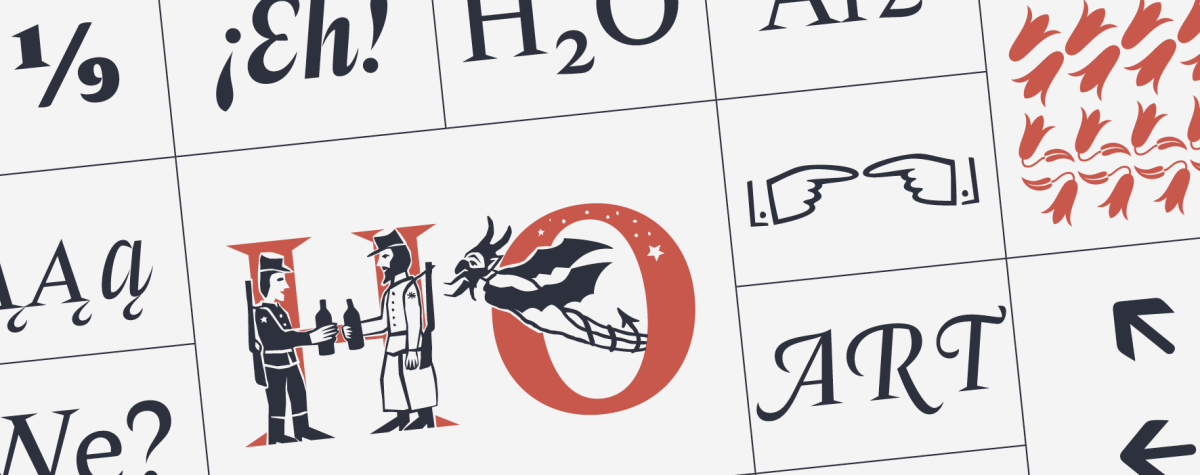
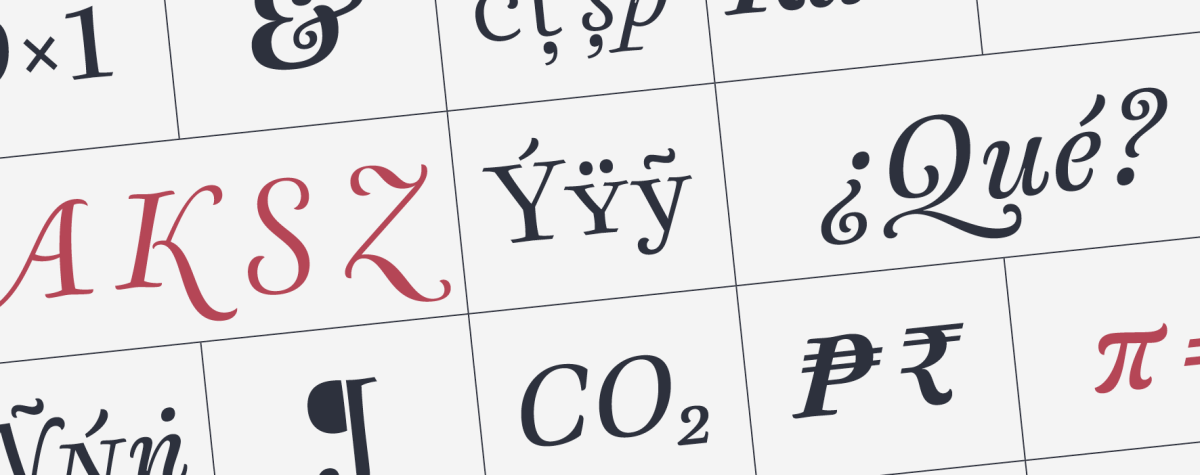
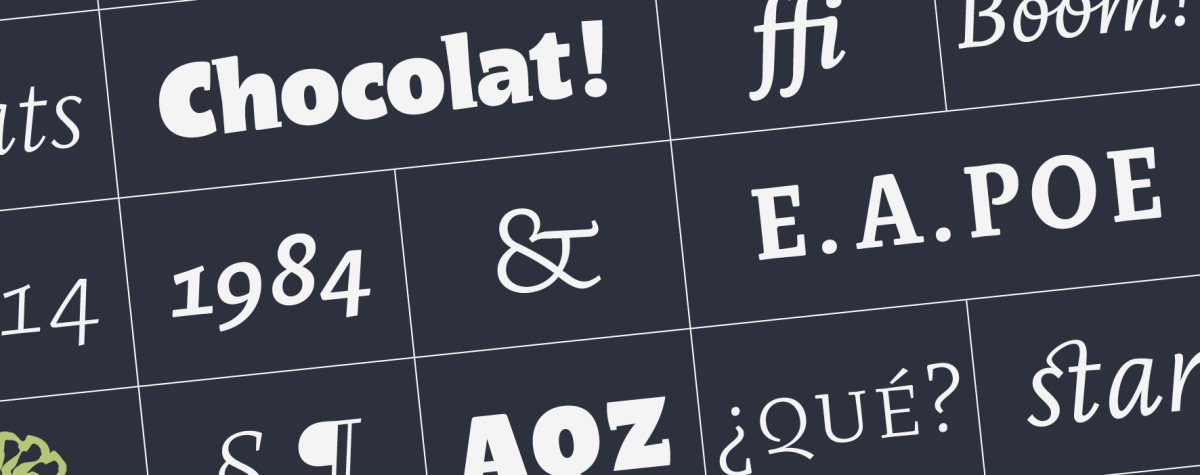
Second and final installment of Tere Schultz’s text on Tuscan letters. Those decorative objects, delicate or extravagant, that inhabit the streets and typographic catalogues of all times, without losing an iota of expressive force. The product of ornamental ingenuity, Tuscan vernaculars dress the street signs of Mexico as much as the stained glass windows of Paris, the ‘fileteados porteños’ of Buenos Aires or the hulls of fishing boats in the Amazon waters. Against this notorious and implausible decorative ubiquity, which alarms many, in the first part of this article Schultz unfolded, like a healing balm, his hypothesis of how the Tuscan style would have been born of a mischievous interpretation of the inscriptions on stone. In this second chapter, it only remains to delight us with some examples of Tuscan vernaculars from some corners of the world. Read